Agricultural Robotics Guide (2026)
Compare crop drones, weeding robots, and autonomous farming systems
4
Use Cases Covered
spraying through monitoring
Day + night
Operation
autonomous field work
Precision
Application
targeted vs blanket treatment
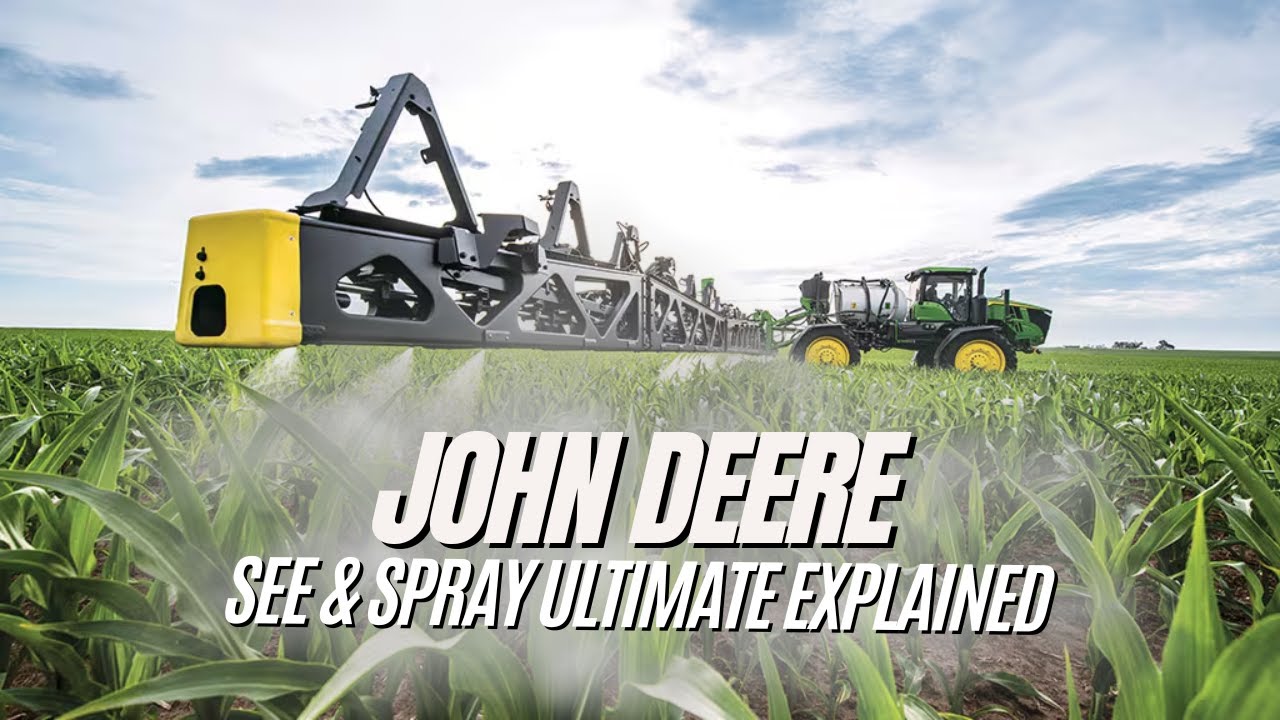
Crop Spraying & Treatment
Agricultural drones and ground sprayers for precision pesticide and fertilizer application.

Harvesting
Autonomous picking robots for fruit, vegetables, and specialty crops.
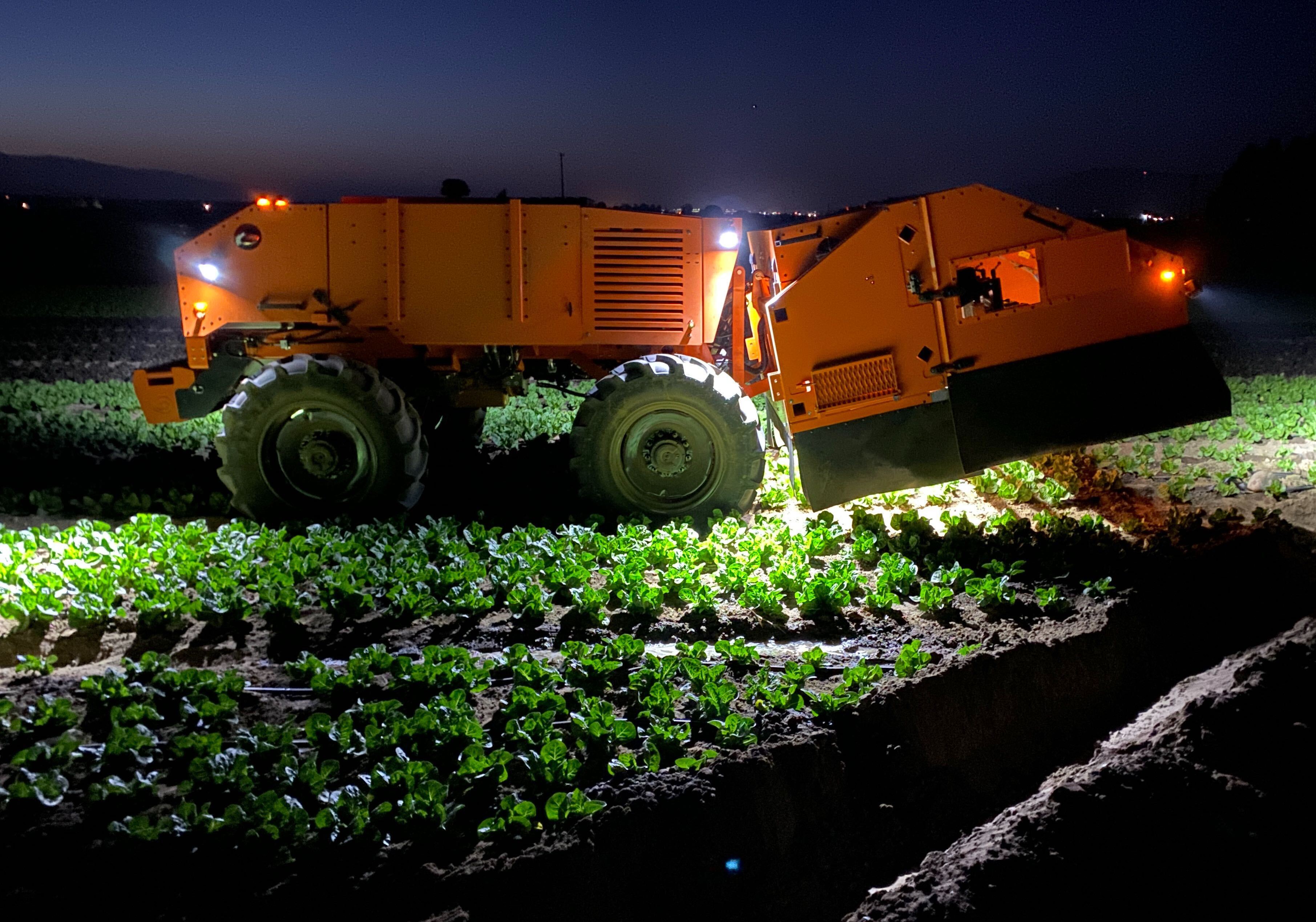
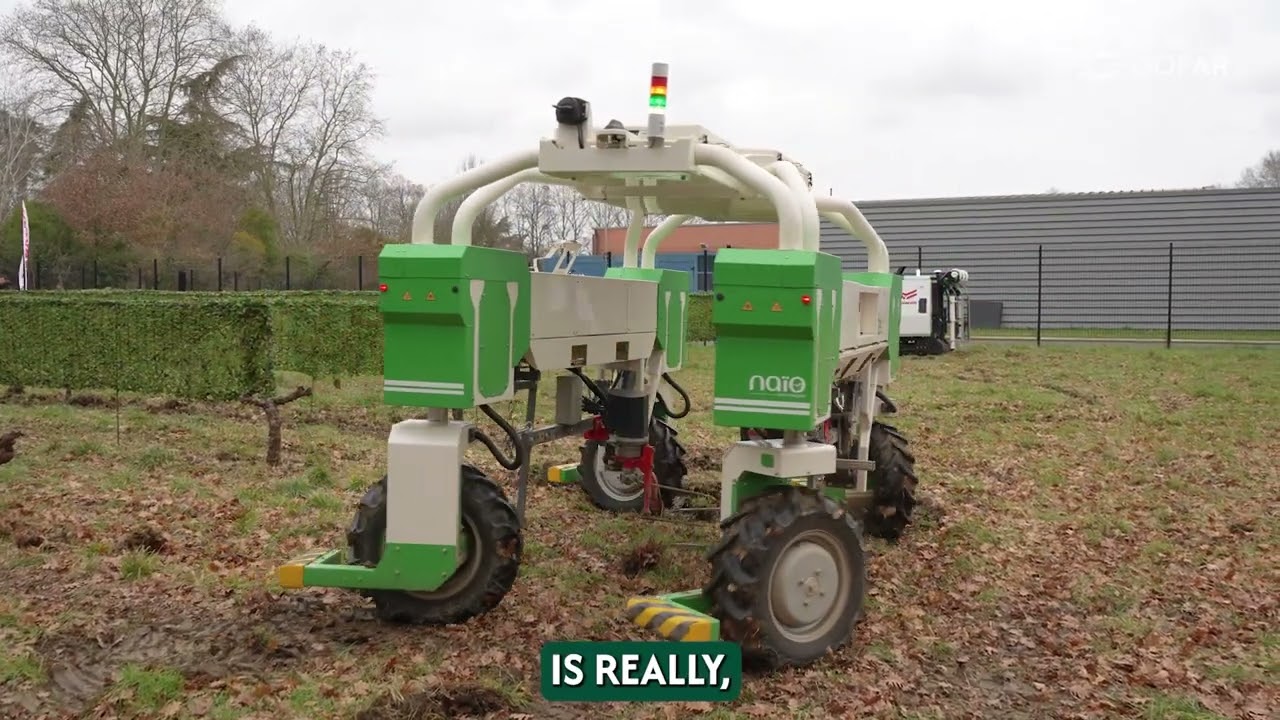
Weeding & Pest Control
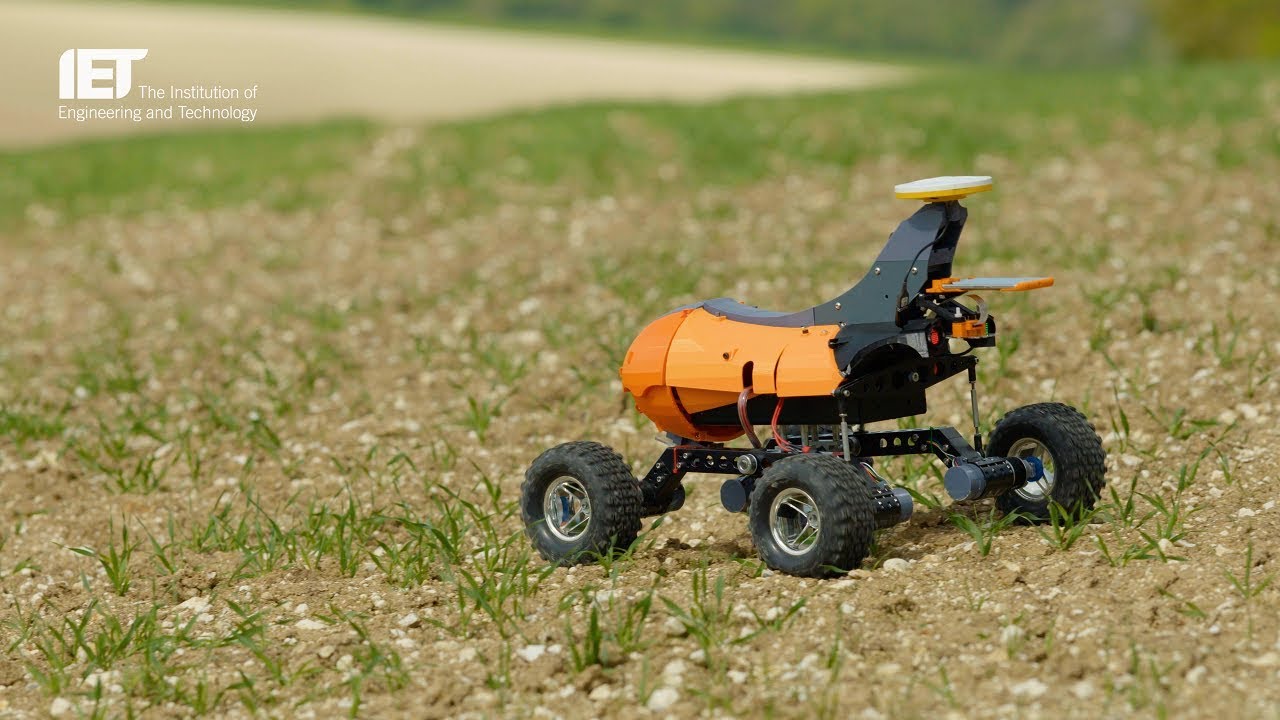
Laser weeding, micro-spraying, and mechanical weeding robots for chemical-free fields.
Soil & Crop Monitoring
Scouting drones and ground robots for crop health, soil, and irrigation monitoring.
What's your return?
Estimate your ROI from agricultural robotics based on your operation.
Annual labor savings
$99,000
Chemical savings
$7,500
Total annual savings
$106,500
Payback
1.9 seasons
How to choose the right robot
Drones vs Ground Robots vs Autonomous Equipment
Drones ($10K-$50K) excel at spraying and mapping — 15-40 acres/hour. Ground robots ($100K-$500K) handle weeding and planting with sub-cm precision. Autonomous equipment ($200K-$1M+) handles tillage, planting, and harvest at full scale.
Implementation Checklist
1) Acreage analysis (500+ acres for standalone ROI). 2) Terrain evaluation (slope, soil, canopy). 3) Connectivity (RTK GPS, cellular/Starlink). 4) Regulatory compliance (FAA Part 107, state licenses). 5) Seasonal economics (3-6 month utilization).
Vendor Questions
Ask about acres/hour throughput for your crop, wet/hilly performance, chemical savings, connectivity requirements, seasonal maintenance, field trial data, crew training, and crop variability handling.
Regulations & certifications
Key compliance requirements for agricultural robotics deployments.
FAA Part 107
RequiredFederal Aviation Administration certification required for commercial drone operation in the United States.
EPA Pesticide Regulations
RequiredEnvironmental Protection Agency regulations for pesticide application, including Worker Protection Standard (WPS).
State Pesticide Applicator License
RequiredMost states require separate licensing for aerial pesticide application, including drone-based spraying.
Part 137 Agricultural Aircraft
RecommendedFAA certification for aerial application of pesticides, fertilizers, and seeds. Required for drone spraying operations.
Organic Certification Compliance
RecommendedUSDA Organic certification requirements if operating on organic farms — certain chemicals and methods are restricted.
Real-world deployments
How leading organizations are deploying agricultural robotics.
Berry Production
Driscoll's
Challenge
Labor shortages during peak harvest season with 30% of berries going unharvested due to insufficient pickers.
Solution
Piloted Agrobot strawberry harvesting robots with machine vision for ripeness detection and gentle picking.
Row Crop Farming
Bowles Farming
Challenge
Spending $400K+ annually on herbicide for 11,000 acres of cotton and tomatoes with increasing chemical resistance.
Solution
Deployed Carbon Robotics LaserWeeder for autonomous laser-based weed elimination across row crops.
Viticulture
Gallo Vineyards
Challenge
Monitoring 25,000 acres of vineyards for disease, water stress, and nutrient deficiency across varied terrain.
Solution
Deployed multispectral drone fleet with AI analysis for weekly vineyard health mapping and targeted intervention.
Frequently asked questions
How much do agricultural robots cost?
Spraying drones ($10K-$50K), autonomous weeding robots ($100K-$500K), autonomous tractors ($200K-$1M+). Drone-as-a-service starts at $8-15/acre. Most farms achieve ROI within 1-3 growing seasons.
How many acres can a farm drone cover?
Modern drones like DJI Agras T50 spray 15-25 acres/hour with 40L payload. A single drone covers 100-200 acres/day. Multi-drone fleets with automated charging cover 500+ acres daily.
Do agricultural robots work in all weather?
Most operate in light rain and moderate wind but not heavy storms. Drones have wind limits of 15-25 mph. Ground robots handle light rain but struggle in saturated soil. Temperature range typically 0-45C.
Can robots reduce pesticide usage?
Yes. Precision spraying drones reduce chemicals 30-50%. Spot-spraying systems like See & Spray reduce herbicide 60-77%. Laser weeding eliminates herbicides entirely for weed control.
What crops benefit most from robots?
High-value specialty crops (grapes, berries, tree fruit) see highest ROI. Row crops benefit from precision weeding and spraying. Orchards benefit from autonomous mowing/spraying. Large grain operations benefit from autonomous tractors.
Newsletter
Get weekly agricultural robotics intelligence
New robots, deployment insights, ROI benchmarks, and industry analysis delivered every Tuesday.
No spam. Unsubscribe anytime. Join 2,000+ industry professionals.
Find your agricultural robot
Browse all 46 robots in agricultural robotics with specs, scores, and pricing.