Construction Robotics Guide (2026)
Compare autonomous equipment, drones, and robotic systems for construction
5
Use Cases Covered
bricklaying through demolition
Retrofit
Deployment Model
existing equipment upgradeable
24/7
Operation
not limited to shift hours
Bricklaying & Masonry
Automated bricklaying systems for walls, facades, and structural masonry at 3-5x manual speed.
Autonomous Excavation
Self-driving excavators, bulldozers, and grading equipment for earthwork and site preparation.

Site Survey & Inspection
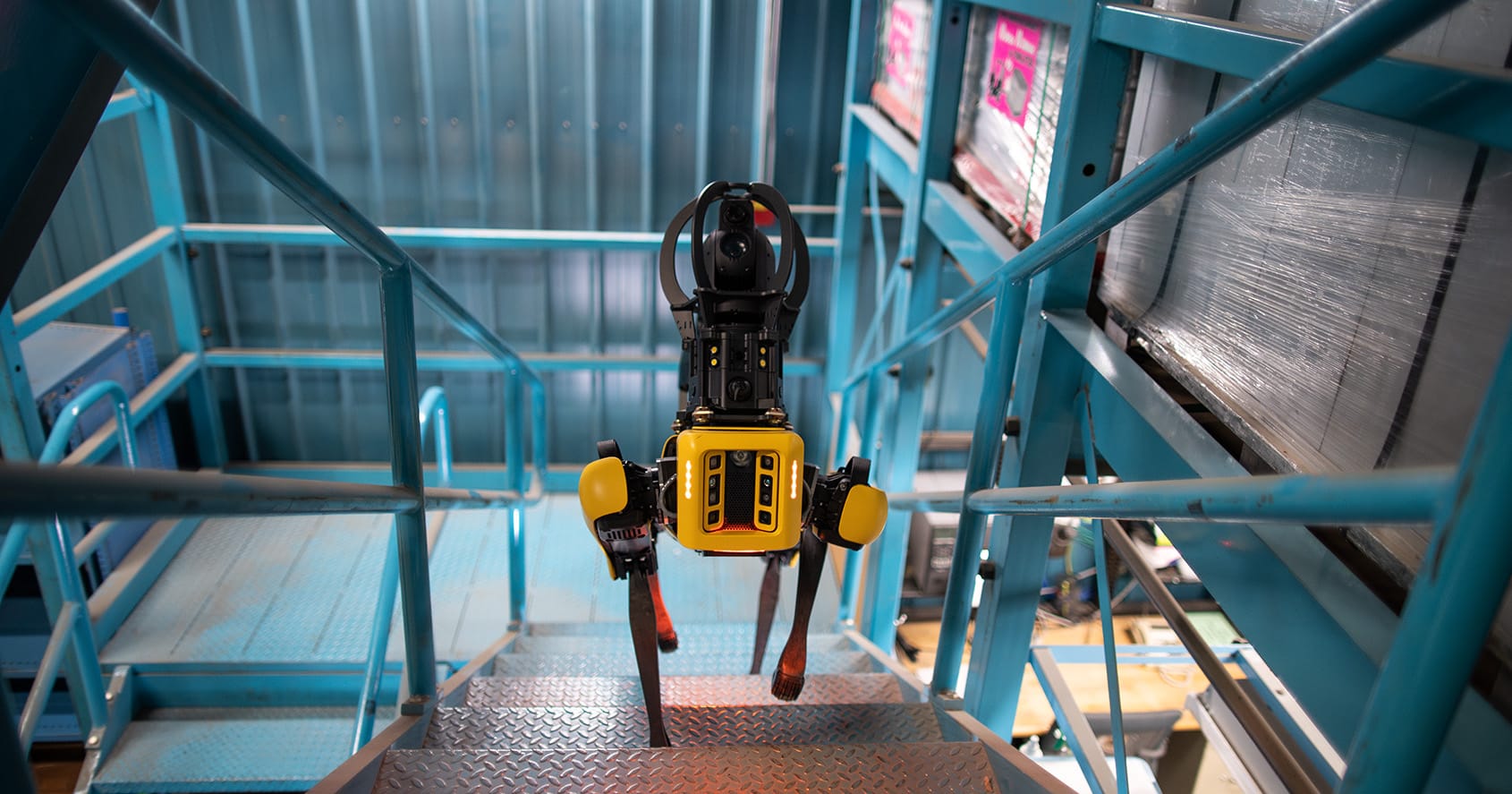
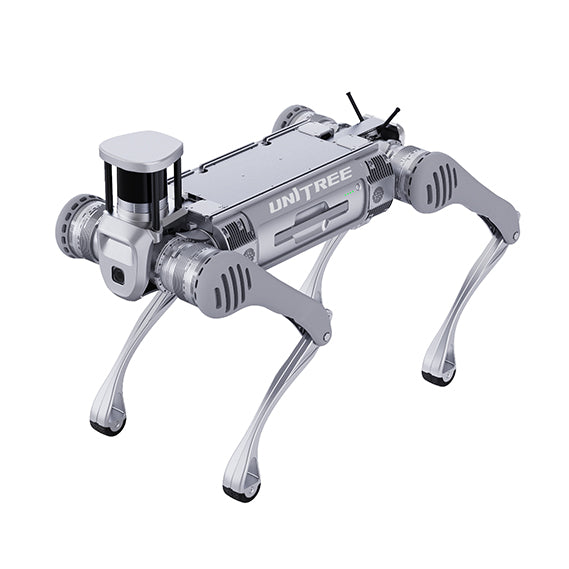
Drones and ground robots for surveying, progress monitoring, and structural inspection.
3D Concrete Printing
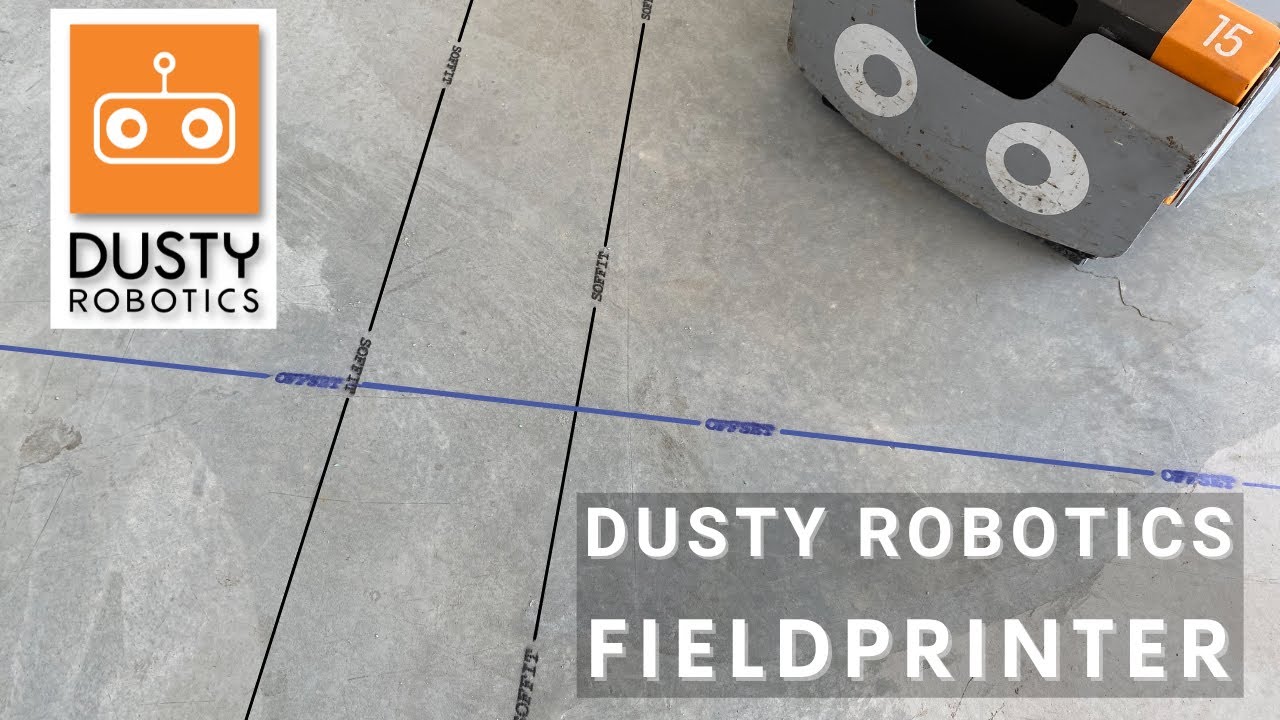
Additive manufacturing systems for printing walls, foundations, and complete structures.
Demolition & Hazardous
Remote-controlled and autonomous robots for demolition, hazmat cleanup, and confined-space work.
What's your return?
Estimate your ROI from construction robotics based on your operation.
Labor productivity savings
$554,400
Rework cost savings
$100,000
Total project savings
$654,400
Equipment investment
$400,000
Payback
8 months
How to choose the right robot
Choosing the Right Construction Robot
Drones ($10K-$50K) deliver immediate ROI on any mid-size project for survey and inspection. Bricklaying robots suit large commercial projects with 50,000+ brick requirements. Autonomous excavation fits large earthwork projects. 3D printing is best for repetitive housing or custom architectural projects.
Implementation Checklist
1) Project volume analysis (enough repetitive work to justify setup). 2) Site access and terrain assessment. 3) Safety zone planning and OSHA compliance. 4) Operator training (1-2 weeks typical). 5) Weather contingency planning.
Vendor Questions
Ask about real project references, weather operating limits, daily output rates, setup/teardown time, maintenance schedule, operator training requirements, and site connectivity needs.
Regulations & certifications
Key compliance requirements for construction robotics deployments.
OSHA Construction Standards
Required29 CFR 1926 covers safety requirements for robotics and autonomous equipment on construction sites.
FAA Part 107 (Drones)
RequiredRequired for commercial drone operations for site survey, mapping, and inspection activities.
ANSI A10.48
RequiredStandard for unmanned ground vehicles in construction — covers autonomous and remote-controlled equipment safety.
Local Building Codes
Required3D printed structures must meet local building codes and pass inspections. Standards are evolving rapidly.
ISO 17757
RecommendedInternational standard for safety of earth-moving machinery — autonomous and semi-autonomous operation.
Real-world deployments
How leading organizations are deploying construction robotics.
Residential Construction
ICON
Challenge
Affordable housing shortage in Austin, TX with construction costs rising 30%+ and 6-12 month build timelines.
Solution
Deployed Vulcan 3D concrete printer to build Community First! Village homes for formerly homeless individuals.
Heavy Civil Construction
Built Robotics
Challenge
Major solar farm project requiring 50,000 pile installations across 2,000 acres with acute equipment operator shortages.
Solution
Retrofitted existing excavators with autonomous technology for pile driving, trenching, and grading operations.
Commercial Construction
Skanska
Challenge
Managing progress tracking across 15 concurrent job sites with inconsistent reporting and delayed issue detection.
Solution
Deployed DJI Matrice drone fleet with DroneDeploy for weekly automated site surveys and AI-based progress analysis.
Frequently asked questions
How much do construction robots cost?
Bricklaying robots ($300K-$500K), autonomous excavators ($200K-$1M+), site survey drones ($10K-$50K), 3D concrete printers ($200K-$2M). Most deliver ROI within 12-24 months on projects with sufficient volume.
Can robots build an entire house?
3D concrete printing robots like ICON Vulcan can print the walls and foundation of a house in 24-48 hours. However, roofing, electrical, plumbing, and finishing still require human workers. The technology handles roughly 30-40% of total construction scope.
Are construction robots safe to use on active sites?
Yes, with proper protocols. Autonomous equipment includes geofencing, LiDAR-based obstacle detection, and remote e-stop capabilities. OSHA requires dedicated zones and operator training. Remote-controlled demolition robots actually improve safety by removing workers from hazardous environments.
How do construction drones save money?
Survey drones reduce site measurement time by 90% (days to hours), provide weekly progress documentation, identify issues before costly rework, and improve safety inspections. ROI is typically 5-10x for projects over $5M.
What skills do workers need for construction robots?
Most systems require 1-2 weeks of operator training. Drone pilots need FAA Part 107 certification. Autonomous equipment operators need equipment-specific certification. Programming skills are typically not required as most systems use graphical interfaces.
Newsletter
Get weekly construction robotics intelligence
New robots, deployment insights, ROI benchmarks, and industry analysis delivered every Tuesday.
No spam. Unsubscribe anytime. Join 2,000+ industry professionals.
Find your construction robot
Browse all 69 robots in construction robotics with specs, scores, and pricing.