Delivery Robotics Guide (2026)
Compare autonomous delivery robots for last-mile and urban logistics
8M+
Deliveries
Starship alone (official press release)
All-weather
Operation
rain and snow capable
Walking pace
Speed
sidewalk-safe by design
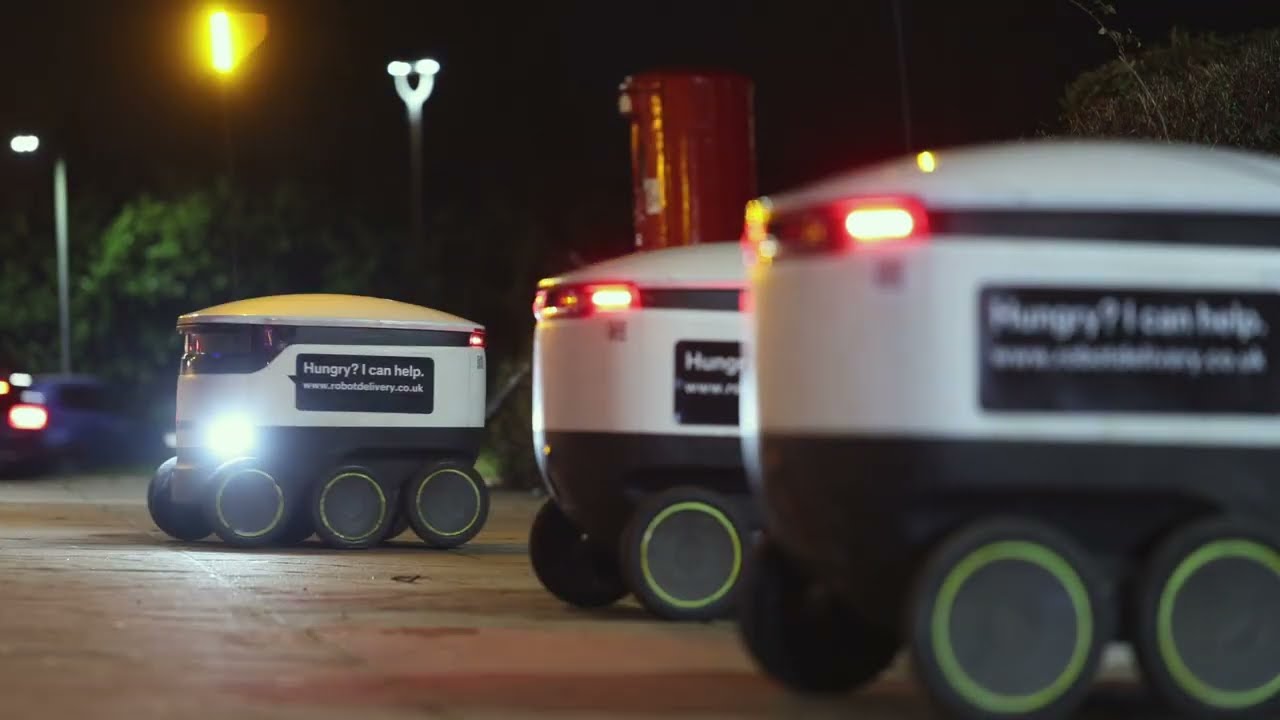
Sidewalk Delivery Robots
Small autonomous robots for food, grocery, and package delivery on pedestrian pathways.

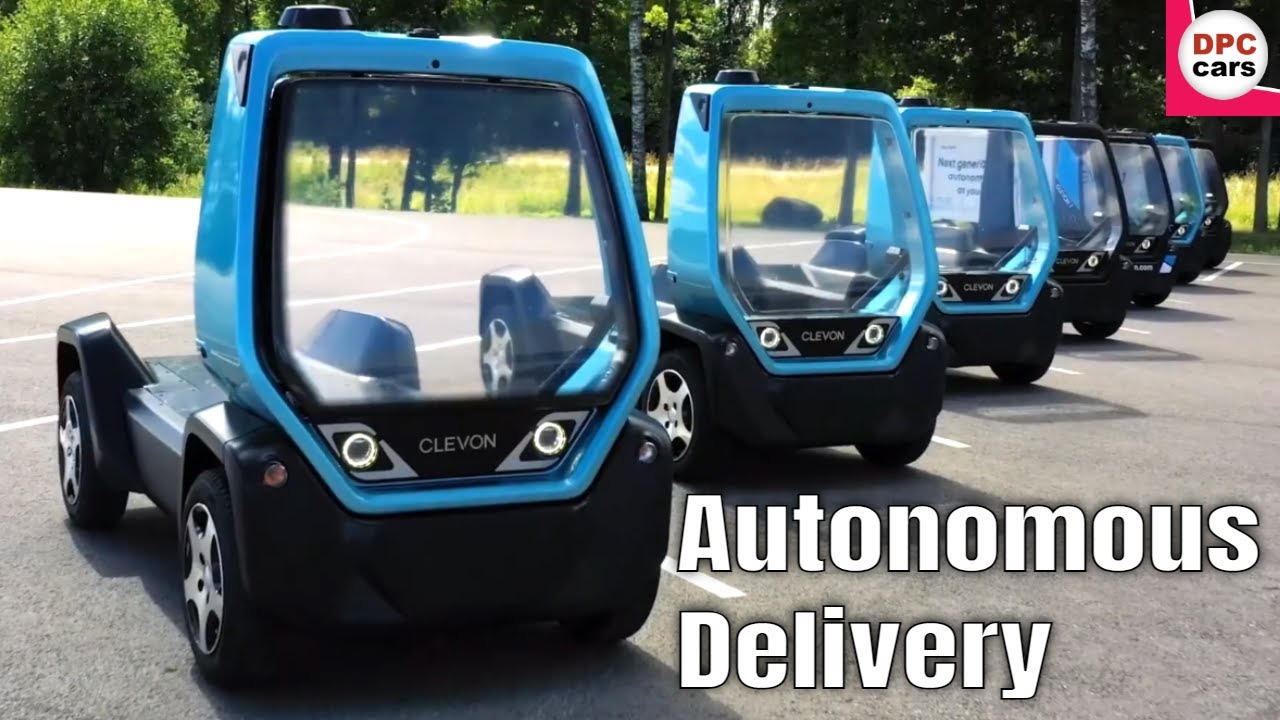
Road-Based Autonomous Vehicles
Self-driving vans and pods for larger deliveries on public and private roads.
Delivery Drones
Aerial delivery systems for packages, medical supplies, and urgent deliveries.
Indoor Delivery Robots
Autonomous robots for last-meter delivery within hotels, hospitals, offices, and campuses.
What's your return?
Estimate your ROI from delivery robotics based on your operation.
Annual delivery savings
$225,000
Fleet investment
$125,000
Robot cost per delivery
$2.50
Payback
7 months
How to choose the right robot
Sidewalk vs Road vs Drone Delivery
Sidewalk robots ($5K-$30K) work best for food/grocery in dense urban areas within 3 miles. Road AVs ($100K-$300K) suit larger packages and longer distances. Drones ($10K-$50K) excel for urgent, lightweight deliveries and rural areas.
Implementation Checklist
1) Delivery volume analysis (minimum 100+ daily deliveries for fleet economics). 2) Route mapping and regulatory review. 3) Customer communication integration. 4) Weather and terrain assessment. 5) Remote operations center setup.
Vendor Questions
Ask about per-delivery cost, weather operating limits, regulatory support, customer experience flow, fleet management software, insurance and liability coverage, and uptime guarantees.
Regulations & certifications
Key compliance requirements for delivery robotics deployments.
State PDD Laws
RequiredPersonal Delivery Device legislation varies by state. 25+ US states have enacted laws governing sidewalk delivery robots.
FAA Part 135 (Drones)
RequiredAir carrier certification required for commercial drone delivery operations in the United States.
NHTSA AV Guidelines
RequiredNational Highway Traffic Safety Administration guidelines for road-based autonomous delivery vehicles.
ADA Compliance
RequiredAmericans with Disabilities Act requirements for sidewalk robots to not impede pedestrian accessibility.
Local Permitting
RecommendedMany cities require specific permits and speed limits for delivery robot operations. Requirements vary significantly.
Real-world deployments
How leading organizations are deploying delivery robotics.
University Campus Delivery
Starship Technologies
Challenge
Serving large university campuses where car-based food delivery doesn't work in pedestrian zones.
Solution
Deployed fleets of autonomous sidewalk delivery robots per campus for food delivery from campus restaurants.
8M+
Deliveries (global, official)
2,000+
Fleet size at 5M milestone
Medical Supply Delivery
Zipline
Challenge
Rural hospitals in Rwanda and Ghana unable to stock full blood supply inventory, leading to preventable deaths.
Solution
Autonomous drone delivery network covering 22,000+ sq km, delivering blood products and medications within 30 minutes.
Grocery & Pharmacy Delivery
Nuro
Challenge
Suburban grocery delivery costs of $10-15 per delivery making same-day delivery economically unsustainable.
Solution
Deployed R3 autonomous road vehicles for temperature-controlled grocery and pharmacy delivery in Houston and Mountain View.
Frequently asked questions
How much does a delivery robot cost?
Sidewalk robots cost $5,000-$30,000 per unit. Autonomous delivery vans run $100K-$300K. Delivery drones cost $10K-$50K. Most operators use robot-as-a-service models at $3-8/delivery rather than purchasing outright.
How far can delivery robots travel?
Sidewalk robots have a 3-5 mile range with battery life of 8-12 hours. Road-based autonomous vehicles cover 50-100 miles per charge. Delivery drones typically have a 10-15 mile radius with 5-10 lb payload capacity.
Are delivery robots legal?
Regulations vary by jurisdiction. 25+ US states have passed laws permitting sidewalk delivery robots. Most require speeds under 6 mph on sidewalks. Road-based AVs need permits in most states. Drone delivery requires FAA Part 135 certification.
How do delivery robots handle theft?
Multiple layers: GPS tracking, locked compartments requiring PIN/app unlock, 360-degree cameras with live monitoring, tamper alerts, and geofencing. Theft rates are under 0.5% for most operators.
What is the ROI of delivery robots?
Autonomous delivery reduces per-delivery cost from $8-12 (human driver) to $1-3. Fleet operators typically see ROI in 12-18 months. Volume is key — robots need 15-25 deliveries/day to hit unit economics.
Newsletter
Get weekly delivery & logistics robotics intelligence
New robots, deployment insights, ROI benchmarks, and industry analysis delivered every Tuesday.
No spam. Unsubscribe anytime. Join 2,000+ industry professionals.
Find your delivery robot
Browse all 38 robots in delivery robotics with specs, scores, and pricing.