Medical Robotics Guide (2026)
Compare surgical, rehabilitation, and logistics robots for healthcare
2.68M
da Vinci Procedures
performed in 2024 (Intuitive Surgical FY2024 results)
FDA 510(k)
Regulatory Pathway
required for US clinical use
5
Robot Types
surgical to sanitation
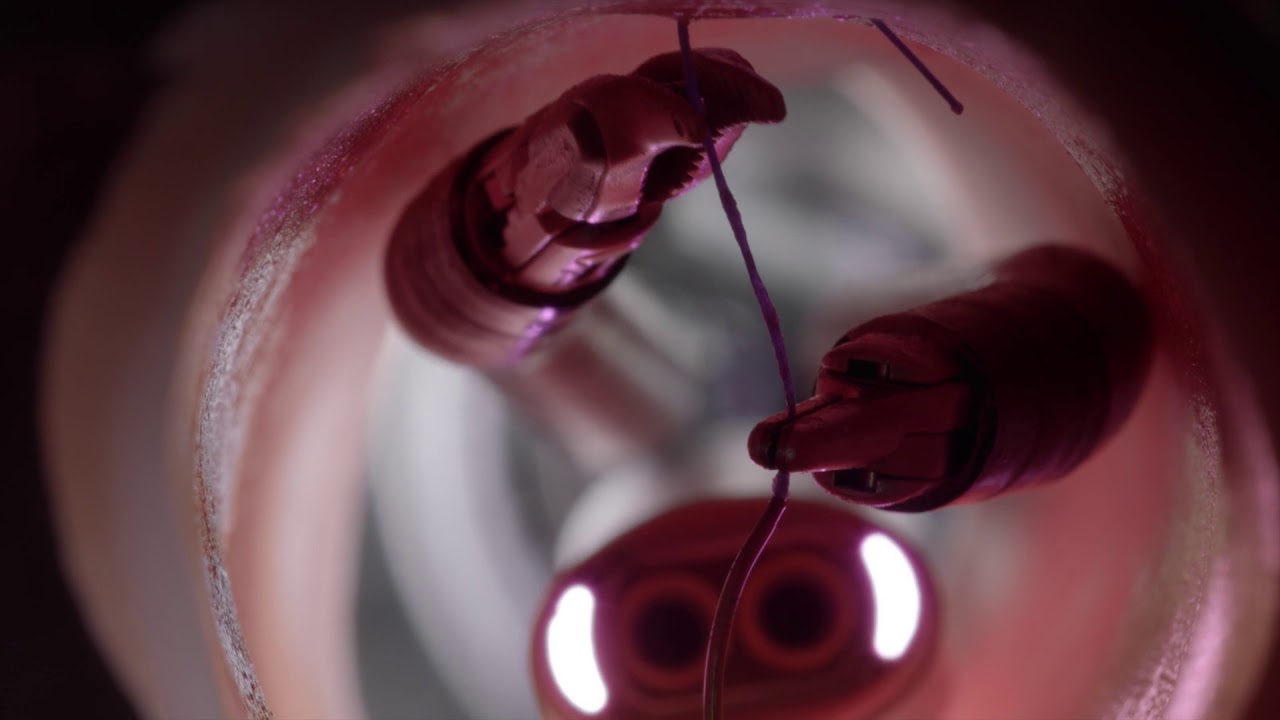
Surgical Robots
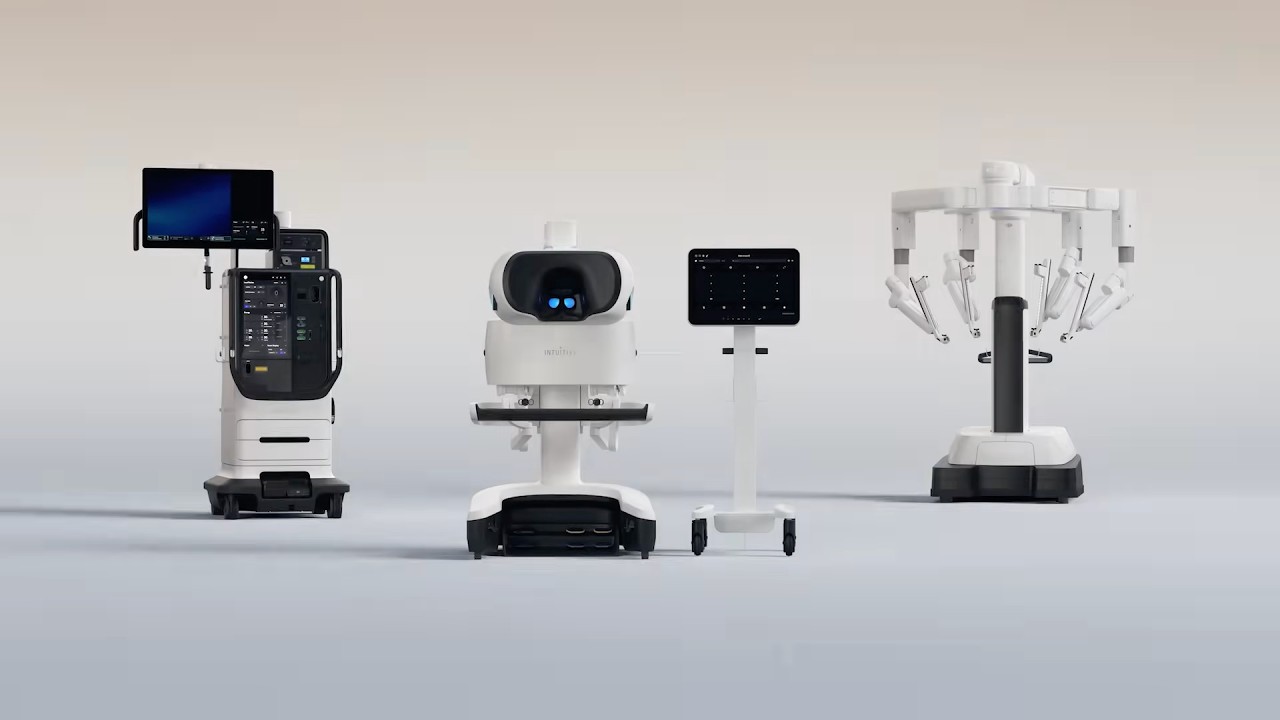
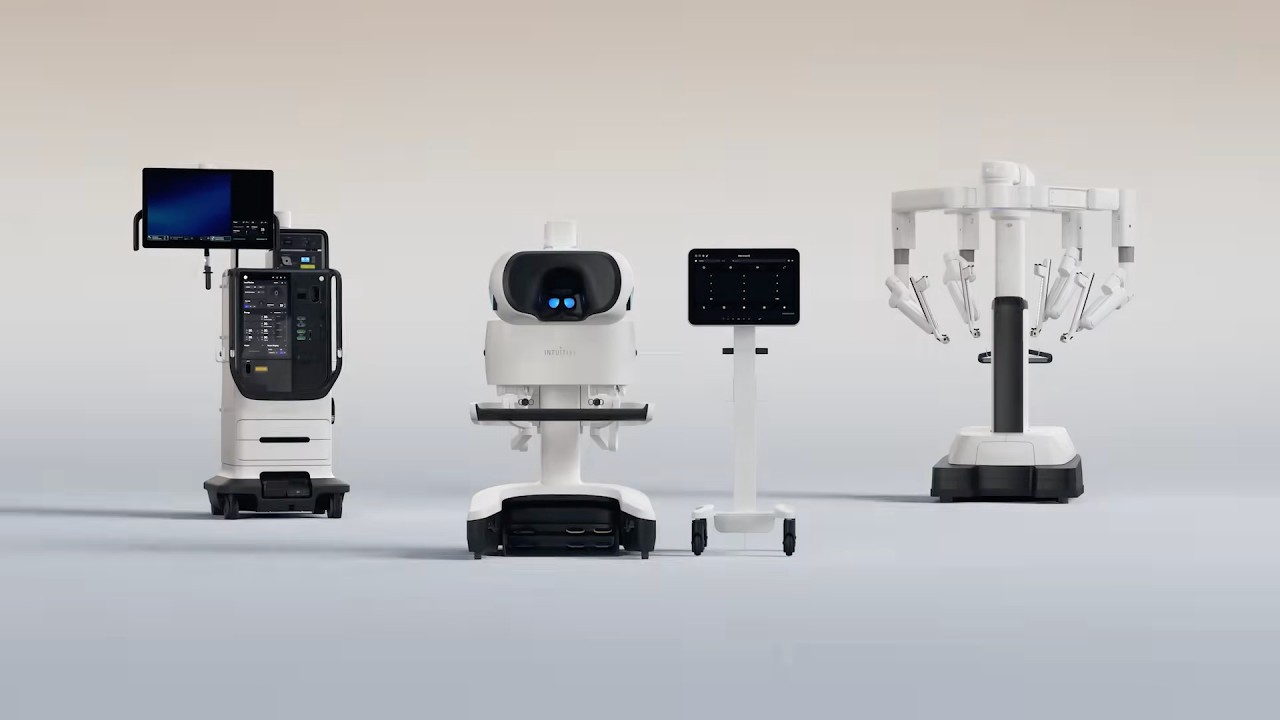
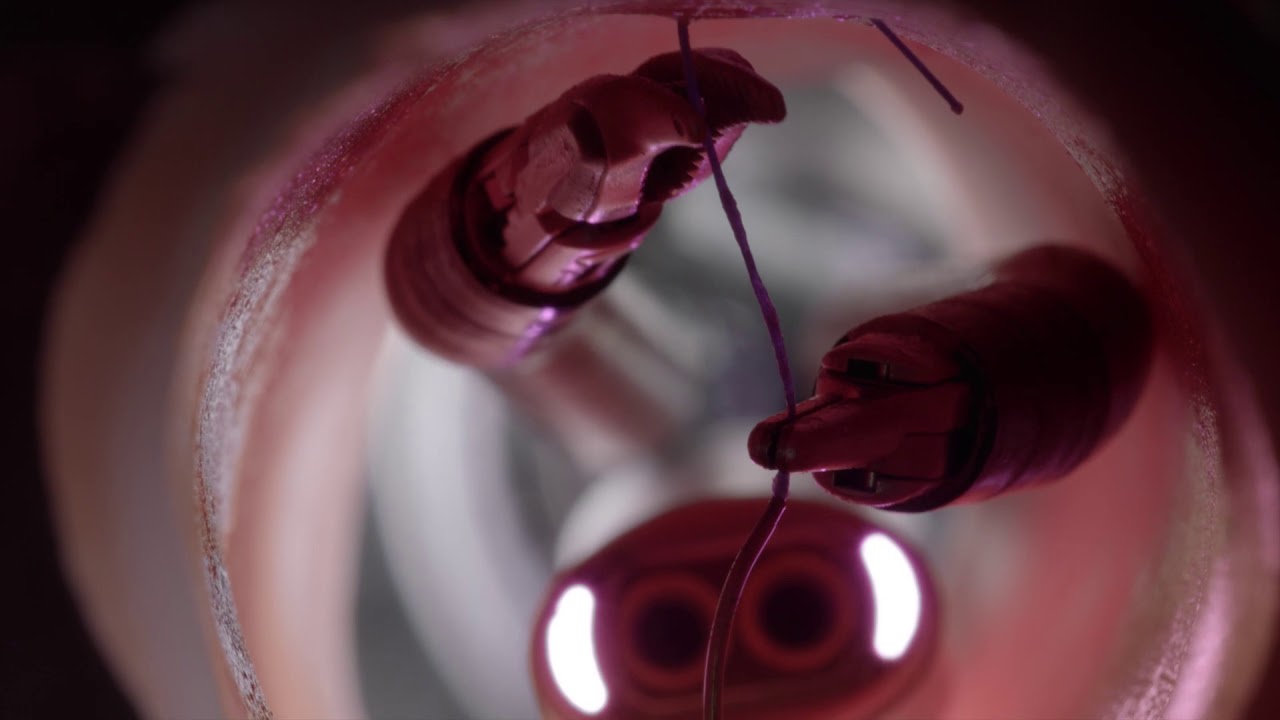
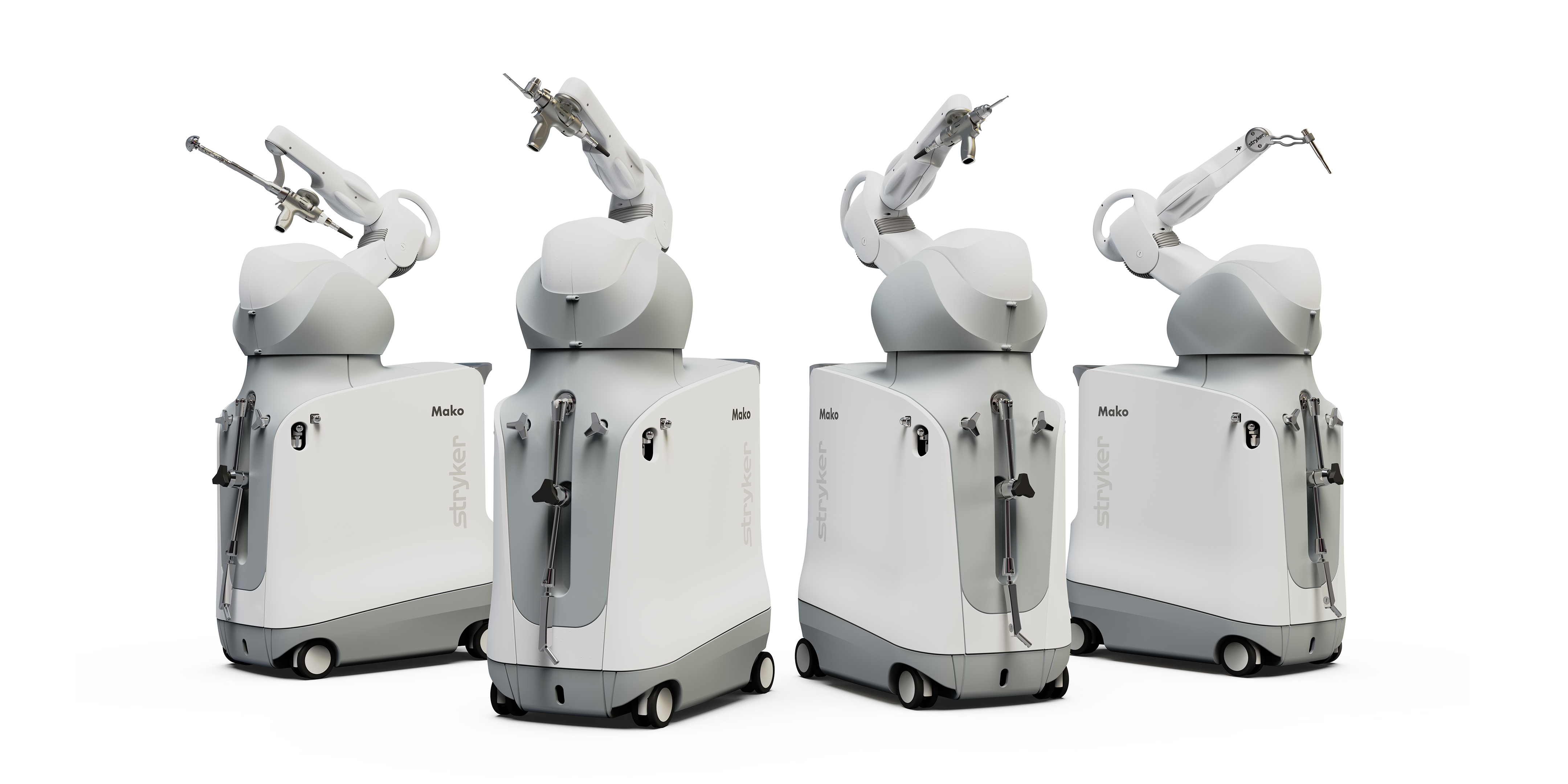
da Vinci, Mako, and robotic-assisted surgery platforms for minimally invasive procedures.
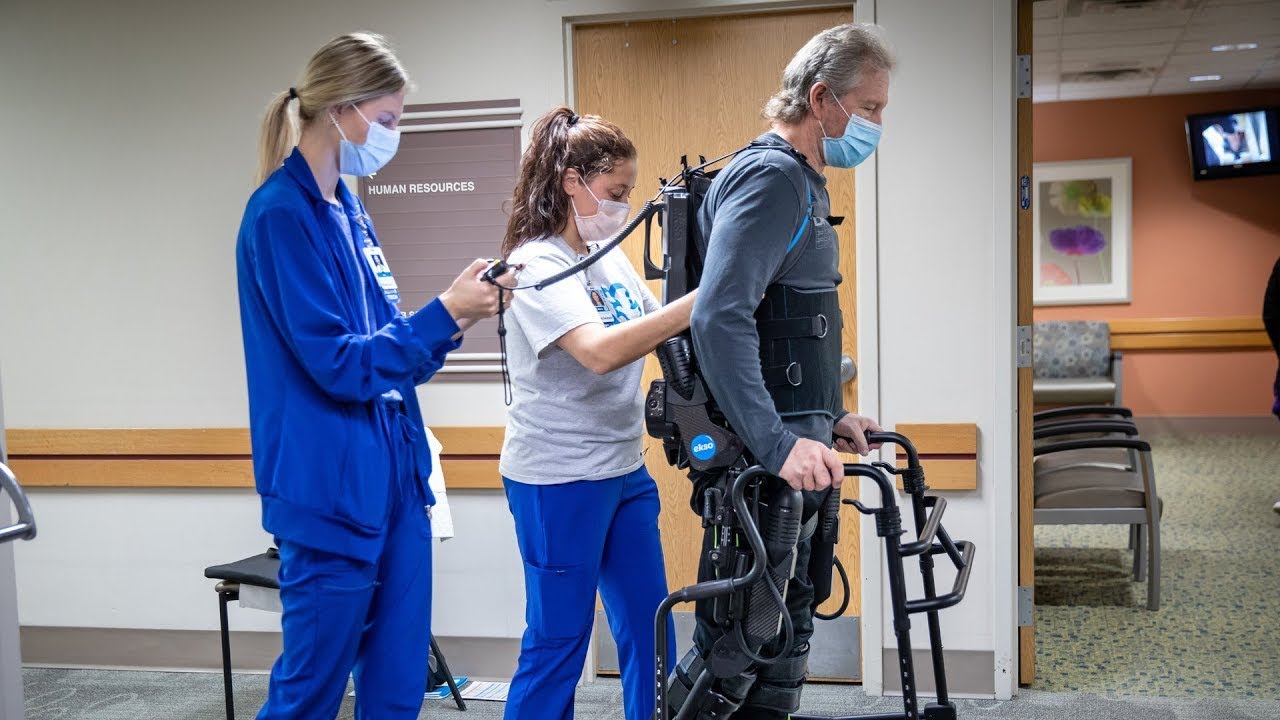
Rehabilitation & Therapy
Exoskeletons, physical therapy robots, and recovery assistance systems.
Hospital Logistics
Medication delivery, supply transport, and pharmacy automation robots.
Diagnostics & Imaging
AI-powered diagnostic assistance and imaging guidance robots.
What's your return?
Estimate your ROI from medical robotics based on your operation.
OR time saved
90 hours/year
Revenue impact
$270,000
System investment
~$2M
Est. payback
7.4 years
How to choose the right robot
Surgical vs Rehabilitation vs Logistics
Surgical robots ($1M-$4M) assist minimally invasive procedures. Rehabilitation robots ($100K-$500K) improve therapy consistency. Hospital logistics robots ($100K-$250K) automate supply and medication transport tasks that otherwise consume nursing time.
Implementation Checklist
1) Clinical champion identified. 2) Case volume analysis completed. 3) Space requirements assessed. 4) IT infrastructure (WiFi, EMR integration) verified. 5) Training program budgeted (40-80 hrs per surgeon). 6) Regulatory compliance confirmed.
Vendor Questions
Ask about clinical evidence for your case mix, total 5-year cost, EMR integration, training/proctoring, uptime SLAs, peer references, technology roadmap, and HIPAA compliance.
Regulations & certifications
Key compliance requirements for medical robotics deployments.
FDA 510(k) Clearance
RequiredRequired for all medical devices in the US. Surgical robots must demonstrate substantial equivalence to predicate devices.
HIPAA Compliance
RequiredAny robot handling patient data must comply with Health Insurance Portability and Accountability Act for data privacy and security.
IEC 60601
RequiredInternational standard for safety and essential performance of medical electrical equipment. Applies to all powered medical robots.
ISO 13482
RecommendedSafety requirements for personal care robots, including physical assistant robots used in rehabilitation.
CE Marking (EU MDR)
RecommendedEuropean Medical Device Regulation compliance required for deployment in EU member states.
Frequently asked questions
How much does a surgical robot cost?
Surgical robot systems range from $500,000 for single-specialty platforms to $2.5M+ for multi-specialty systems like the da Vinci 5. Annual service contracts add $150,000-$300,000. Per-procedure instrument costs run $700-$3,500. Most hospitals finance over 5-7 years.
What is the robotic surgery success rate?
Outcomes vary by procedure, surgeon experience, and patient factors. Robotic-assisted surgery is minimally invasive, which is generally associated with less blood loss and shorter recovery than open surgery — but specific outcome rates belong to the peer-reviewed literature for each procedure. Ask vendors for published clinical evidence for your specific case mix.
da Vinci vs Mako — what's the difference?
da Vinci (Intuitive) is a multi-specialty surgical platform for soft tissue procedures (prostatectomy, hysterectomy, cardiac). Mako (Stryker) specializes in orthopedic joint replacement with haptic boundary guidance. They serve different surgical specialties and are not direct competitors.
Are medical robots FDA approved?
All medical robots used in the US require FDA clearance, typically through the 510(k) pathway. da Vinci, MAKO, Hugo RAS, and Ion are all FDA-cleared. Rehabilitation robots also require FDA classification. International markets require CE marking (EU), PMDA (Japan), or equivalent.
What is the ROI of surgical robots for hospitals?
At 200+ robotic cases per year, most hospitals achieve payback in 3-5 years. Revenue drivers include attracting surgeons/patients, reducing complications, shorter OR times at scale, and premium reimbursement for certain procedures.
Newsletter
Get weekly medical & surgical robotics intelligence
New robots, deployment insights, ROI benchmarks, and industry analysis delivered every Tuesday.
No spam. Unsubscribe anytime. Join 2,000+ industry professionals.
Find your medical robot
Browse all 93 robots in medical robotics with specs, scores, and pricing.