Warehouse Robotics Guide (2026)
Compare warehouse robots across 5 use cases — real specs, verified ROI
5
Use Cases Covered
picking through loading
24/7
Operation
lights-out capable
Infrastructure-free
Navigation
AMRs need no floor changes
Goods-to-Person Picking
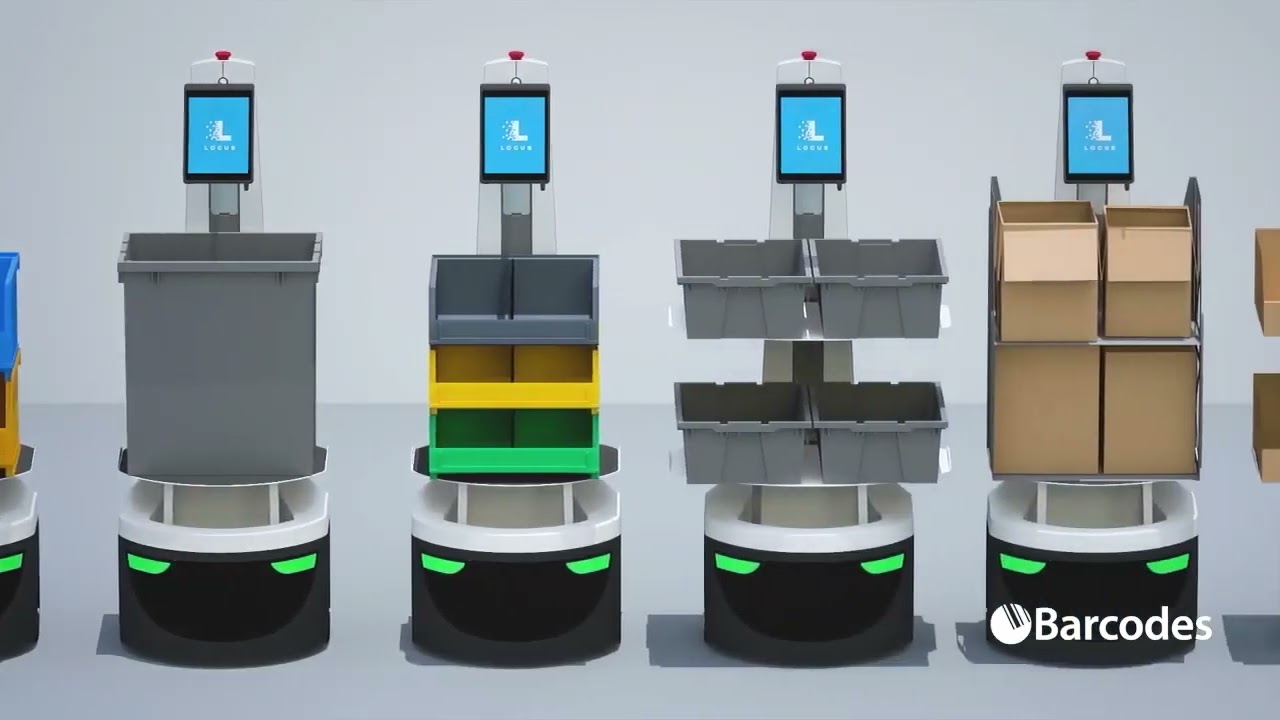
AMRs, robotic arms, and picking systems for automating order fulfillment.
Pallet Moving & Transport
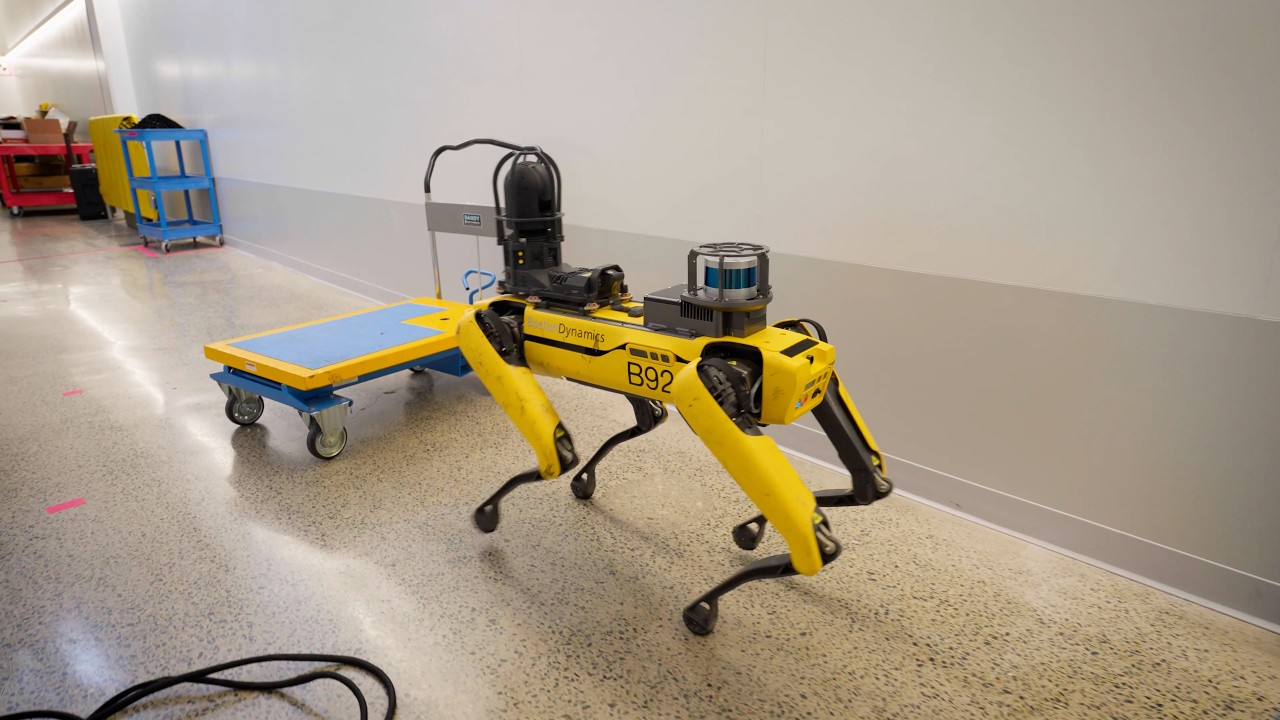
AGVs, autonomous forklifts, and tuggers for moving heavy loads between locations.
Inventory & Scanning
Autonomous drones and ground robots for real-time inventory counting and tracking.
Sorting & Fulfillment
Conveyor robots and sorting systems for last-mile package routing.
Loading & Unloading
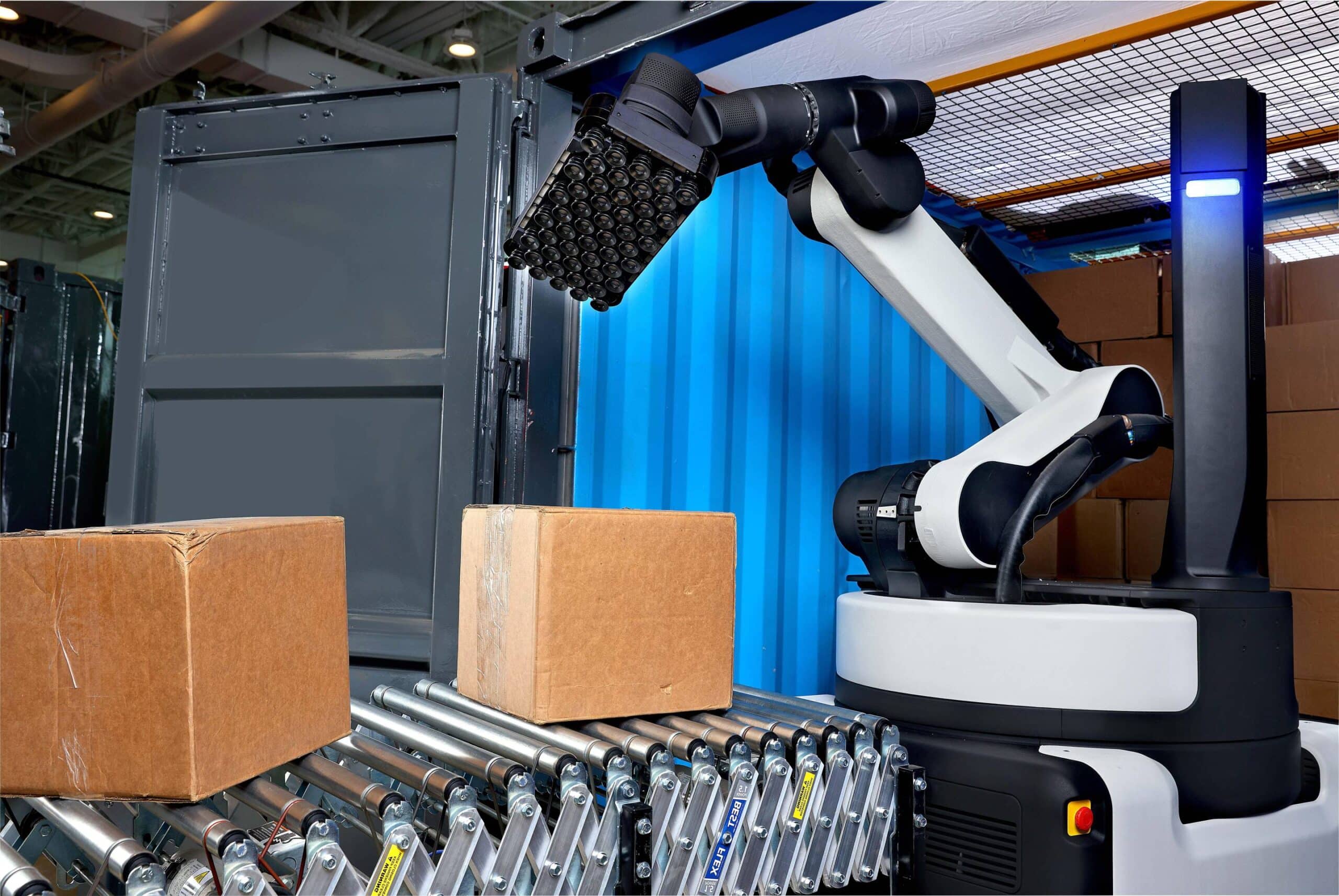
Depalletizers, truck unloaders, and dock automation systems.
What's your return?
Estimate your ROI from warehouse robotics based on your operation.
Est. annual savings
$176,000
Recommended system
Fleet of 5-10 AMRs
Estimated investment
$350,000
Payback period
24 months
How to choose the right robot
AMR vs AGV vs Fixed Automation
AMRs navigate dynamically with no infrastructure changes — ideal for changing layouts. AGVs follow fixed paths using magnetic tape — cheaper but less flexible. Fixed automation (conveyors, AS/RS) delivers highest throughput but requires significant capital and long installation.
Implementation Checklist
1) Floor quality — smooth, flat surfaces required. 2) Enterprise WiFi coverage with <50ms latency. 3) Aisle width (4+ feet for AMRs). 4) WMS/ERP integration points mapped. 5) Change management plan with 30-60 day ramp-up.
Vendor Questions
Ask about total deployed cost, mixed traffic handling, system outage procedures, annual software/maintenance fees, reference customers, uptime SLAs, scaling approach, and analytics capabilities.
Regulations & certifications
Key compliance requirements for warehouse robotics deployments.
ANSI/RIA R15.08
RequiredSafety standard for industrial mobile robots — covers navigation, obstacle detection, and human interaction zones.
OSHA Warehouse Safety
RequiredOSHA regulations for powered industrial trucks (29 CFR 1910.178) apply to autonomous forklifts and AGVs.
UL 3100
RequiredSafety standard for autonomous mobile platforms in warehouse environments — covers electrical, mechanical, and functional safety.
ISO 3691-4
RecommendedInternational standard for driverless industrial trucks — defines safety requirements for AGVs and AMRs.
CE Marking (EU)
RecommendedRequired for robot deployments in European warehouses. Covers Machinery Directive 2006/42/EC.
Real-world deployments
How leading organizations are deploying warehouse robotics.
Third-Party Logistics
DHL Supply Chain
Challenge
Processing 300,000+ packages daily across 30 facilities with increasing labor costs and same-day delivery pressure.
Solution
Deployed 2,000+ Locus Robotics AMRs across North American facilities for goods-to-person picking.
Online Grocery
Ocado
Challenge
Filling 220,000+ grocery orders weekly with 50,000+ SKUs requiring temperature-controlled fulfillment.
Solution
Custom grid-based robot system with 3,000+ bots per fulfillment center navigating a 3D grid above inventory bins.
Contract Logistics
GEODIS
Challenge
Managing seasonal demand spikes of 300% in e-commerce fulfillment without proportional headcount increases.
Solution
Deployed 6ix AMR fleet with dynamic zone allocation, scaling from 20 to 80 robots during peak seasons.
Frequently asked questions
How much does a warehouse robot cost?
Warehouse robot prices range from $25,000 for basic AMRs to $500,000+ for heavy-duty autonomous forklifts. Most goods-to-person AMR systems cost $30,000-$80,000 per unit. Total deployment costs including integration, training, and infrastructure typically add 30-50% on top of hardware costs.
What is the ROI of warehouse automation?
Most warehouse robot deployments achieve positive ROI within 12-24 months. Key factors include labor cost savings (40-65% reduction), throughput improvements (2-3x for picking), and error reduction (80-90% fewer mispicks). A 10-robot AMR deployment replacing 6-8 workers typically breaks even in 14-18 months.
AMR vs AGV — what's the difference?
AMRs (Autonomous Mobile Robots) navigate dynamically using sensors and AI without infrastructure changes. AGVs (Automated Guided Vehicles) follow fixed paths using magnetic tape or wires. AMRs cost more per unit but require no floor modifications. AGVs are cheaper but less flexible. Choose AMRs for changing layouts, AGVs for high-volume fixed routes.
How long does it take to implement warehouse robots?
Simple AMR deployments can go live in 4-8 weeks. Full AS/RS or shuttle systems take 6-12 months. Most AMR vendors offer pilot programs starting with a small zone in 2-3 weeks. WMS integration adds 2-4 weeks. Full facility rollout with process optimization takes 2-3 months.
Do warehouse robots replace workers?
Warehouse robots augment workers more than replace them. Most deployments shift workers from walking and carrying (60-70% of picker time) to higher-value tasks. Industry data shows facilities deploying robots often increase total headcount due to volume growth while reducing cost-per-unit by 40-60%.
Newsletter
Get weekly warehouse & logistics robotics intelligence
New robots, deployment insights, ROI benchmarks, and industry analysis delivered every Tuesday.
No spam. Unsubscribe anytime. Join 2,000+ industry professionals.
Find your warehouse robot
Browse all 190 robots in warehouse robotics with specs, scores, and pricing.